Catch It Early: How to Spot (and Stop) Eyewear Damage Before Your Frames Are Toast
There's a particular kind of heartbreak that comes with realizing your favorite frames — the ones you've worn to every important moment for the past three years — are basically done. Not broken in a dramatic, stepped-on-them way. Just quietly worn out, one small stress point at a time.
The good news? Most eyewear damage doesn't happen overnight. It builds up gradually, leaving clues along the way. If you know what to look for, you can catch problems early, take action, and dramatically extend the life of your frames. Think of it like preventive maintenance for your car, except way less expensive and honestly kind of satisfying.
Let's run through the most common damage signs, what causes them, and how to stay ahead of the problem.
The Hinge Check: When Your Frames Start Talking Back
Hinges are the unsung heroes of your eyewear. They open and close hundreds of times a year, taking on stress with every single wear. Over time, that repetitive motion loosens the tiny screws that hold everything together — and once a screw backs out even slightly, the whole system starts to wobble.
To check your hinges, hold each temple arm and gently flex it open and closed. Does it feel smooth and firm, or is there a little give? A slight looseness is your early warning signal. At this stage, a quick trip to your local optician — most will tighten screws for free — is all you need. Ignore it, and you're looking at a stripped screw hole or a snapped hinge arm, neither of which is a cheap fix.
Also watch for hinges that spring-load (the kind with a small mechanism inside the arm). These are great for comfort but can wear out faster under pressure. If a spring hinge suddenly feels stiff or doesn't snap back into position, that spring is likely fatigued. Bring it in sooner rather than later.
Lens Scratches: The Damage You're Probably Underestimating
A single scratch on a lens isn't just cosmetic — it's a signal about your storage and handling habits. Scratches accumulate in clusters, and once they're deep enough to interfere with your vision or your anti-reflective coating, no amount of polishing is going to help. (Seriously, skip the toothpaste hack. It doesn't work and can make things worse.)
The most common scratch culprits? Tossing glasses into a bag without a case, setting them face-down on a surface, and cleaning them with whatever fabric is nearby — a shirt hem, a paper towel, a sleeve. All of these are small habits that add up fast.
For prevention, keep a microfiber cloth in every bag you regularly carry. Make it automatic. And invest in a hard case for travel or any situation where your glasses might get jostled around. Soft pouches are better than nothing, but they won't protect against pressure or impact the way a rigid case will.
Coating Wear: The Sneaky One
Anti-reflective and anti-scratch coatings are applied in thin layers, and they don't last forever. When they start to break down, you'll notice a hazy, crazing, or oily-looking film on your lenses that won't wipe clean. This is delamination — the coating is literally separating from the lens surface.
What speeds this up? Heat is a major factor. Leaving your glasses on your car dashboard in summer, storing them near a heat vent, or even just leaving them in a hot car for extended periods can cause coatings to deteriorate significantly faster than normal. The same goes for chemical exposure — hairspray, sunscreen, and cleaning products can all degrade lens coatings over time.
The fix for delaminated coatings is essentially a full lens replacement, which is why prevention matters so much here. Store your glasses away from heat sources, and if you wear sunscreen (which you should), apply it and let it dry before putting your frames on.
Frame Warping: The Shape-Shift You Might Not Notice
Metal and acetate frames can both warp over time, but they do it differently. Metal frames tend to bend gradually — a temple arm that sits slightly higher on one side, a bridge that's shifted just enough to make your frames sit crooked on your face. Acetate frames can actually warp from heat, losing their original shape in ways that affect both fit and comfort.
To check for warping, set your frames down on a flat surface and look at them from eye level. Both temple tips should touch the surface evenly. If one side is higher, the frame is out of alignment. An optician can adjust most metal and acetate frames with the right tools — this is genuinely not a DIY job, because trying to bend frames at home without knowing the material's stress points is how you end up snapping them.
Environmental Factors That Are Working Against You
Beyond the individual damage types, there are some broader environmental conditions worth knowing about:
- Humidity and moisture: Prolonged exposure to moisture — leaving glasses in a steamy bathroom, for example — can corrode metal components and degrade adhesives used in some frame constructions.
- UV exposure: Leaving glasses in direct sunlight, even indoors near a window, can fade acetate colors and degrade certain lens materials over time.
- Temperature swings: Repeatedly going from extreme cold to warm interiors (hello, winter in the Midwest) creates expansion and contraction stress on frames and lenses alike.
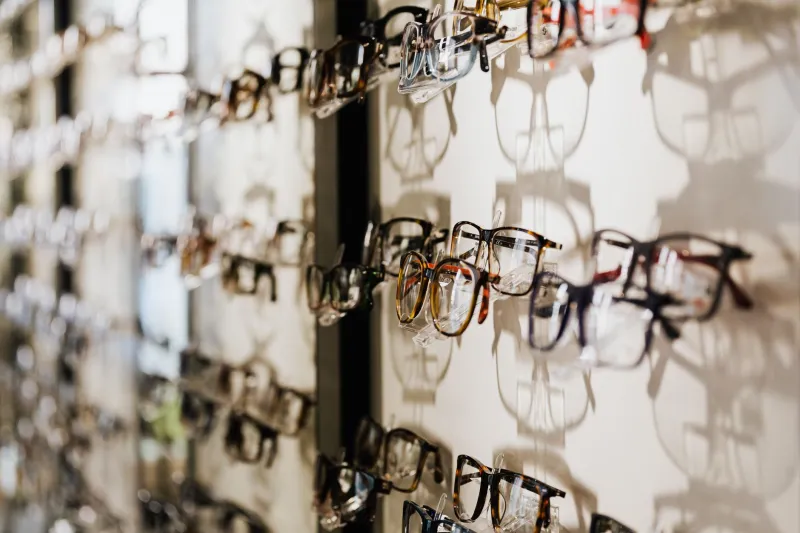
The simplest solution to most of these? Proper storage. A designated spot — a case, a display stand, an organizer that keeps your frames upright and protected — does more to prevent damage than almost anything else. When your glasses have a consistent home, they're less likely to get tossed somewhere harmful out of convenience.
DIY vs. Professional Repair: Knowing the Line
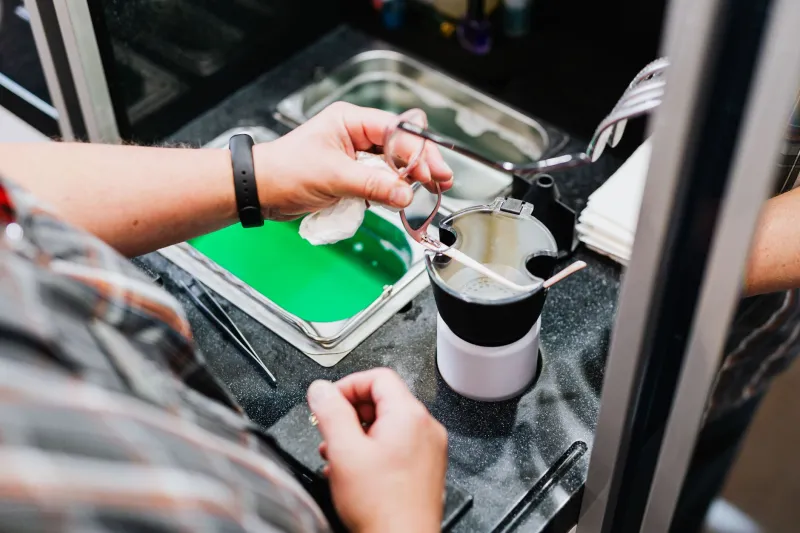
Some things you can absolutely handle at home. A loose screw with a basic eyeglass repair kit (available at any drugstore for a few dollars) is a five-minute fix. Cleaning smudges with a proper lens solution and microfiber cloth? That's just regular maintenance.
But bent frames, spring hinge repairs, lens replacements, and anything involving the frame structure itself should go to a professional. Opticians have tools and training specifically for this — and many independent shops will handle minor adjustments for free or a small fee, especially if you bought the frames there.
Knowing when to hand it off isn't admitting defeat. It's just smart ownership.
The Bigger Picture
Your glasses are a daily essential and, for a lot of people, a genuine style investment. Treating them with a little proactive attention — quick visual checks, consistent storage habits, staying aware of environmental risks — means you spend less time dealing with preventable problems and more time actually enjoying your collection.
A little care goes a long way. And honestly, once you get into the habit of checking in on your frames, it starts to feel less like maintenance and more like just respecting the things you love.