Fix It or Forget It? How to Know When Your Beloved Frames Have Hit Their Limit
There's always that pair. The ones you wore on your first day at a job you loved, or the tortoiseshell frames your partner said made you look like a creative genius. They've lived in your top drawer, your car's center console, and probably your carry-on more times than you can count. And now your optometrist is handing you a new prescription, and you're standing at a crossroads: do you pour money into keeping these frames alive, or is it time to finally let go?
This decision is more common than you'd think, and it's genuinely not simple. The economics, the sentimental math, and the actual condition of your frames all factor in. Let's break it down so you can make a call you'll feel good about — no regrets, no impulse decisions.
First, Assess What You're Actually Working With
Before you do anything else, take a hard look at the physical state of your frames. Not through rose-colored glasses (pun intended), but honestly.
Ask yourself:
- Are the hinges intact? Loose or broken hinges can often be repaired cheaply at an optical shop — sometimes for free. If a screw is missing, that's a ten-minute fix. If the hinge itself is cracked or the barrel is stripped, that's a bigger conversation.
- Is there warping or bending? Metal frames can usually be adjusted back into shape by a professional. Acetate frames are trickier — excessive heat or pressure can cause permanent distortion that no amount of adjustment will fix.
- What's the condition of the nose pads and temple tips? These are the easiest parts to replace and often the cheapest. Worn nose pads can make glasses sit unevenly and cause real discomfort, but swapping them out is usually under $20.
- Are there cracks in the frame itself? A hairline crack in acetate might hold for a while, but it's living on borrowed time. Metal frames with cracks near stress points — like the bridge or hinge — are a liability.
If the frame structure is fundamentally sound, you've got something worth evaluating further. If it's held together by hope and a piece of tape, well... you already know.
The Real Cost of Replacing Just the Lenses
Here's where a lot of people get surprised. Lenses aren't cheap, and depending on your prescription and the coatings you need, they can actually cost more than a new pair of budget frames with lenses included.
In the US, a basic single-vision lens replacement at a chain optical retailer might run you $100–$200 per pair without insurance. Add progressive lenses, anti-reflective coating, blue light filtering, or photochromic (light-adaptive) technology, and you're easily looking at $300–$600 or more — sometimes significantly more at independent opticians.
So the first question is: does your insurance cover new lenses? Most vision plans with a lens benefit will cover a standard replacement on a per-prescription basis, regardless of whether you're keeping old frames or buying new ones. Check your plan. If your benefit resets and covers a solid portion of the cost, keeping beloved frames suddenly makes a lot more financial sense.
If you're paying out of pocket, compare what lens-only replacement would cost versus buying a complete pair from an online retailer like Zenni, Warby Parker, or EyeBuyDirect. You might find a stylistically similar frame plus lenses for less than a lens-only swap at a brick-and-mortar shop.
When the Tech Upgrade Argument Actually Holds Up
One genuinely good reason to replace lenses in frames you love? Lens technology has moved fast, and older lenses might be holding you back more than you realize.
If your current lenses are more than a few years old, you might be missing out on:
- Improved anti-reflective coatings that are more scratch-resistant and easier to clean
- Digital freeform progressive lenses that offer a wider field of vision than older progressive designs
- Thinner, lighter high-index materials that reduce the "coke bottle" effect on stronger prescriptions
- Photochromic lenses that have gotten dramatically better — faster transition times, better darkness outdoors, and some options that now work behind car windshields
If you've been squinting at screens or noticing your glasses feel heavy by the end of the day, a lens upgrade in frames you already love could genuinely improve your daily quality of life. That's a real return on investment, not just sentimental spending.
The Sentimental Calculus (And How to Keep It Honest)
Okay, let's talk about the emotional side, because it's real and it matters — but it can also trick you.
Sentimental attachment to a pair of frames is completely valid. Eyewear is one of the most personal accessories we own. It sits on your face every day. It's in every photo. It shapes how you see yourself and how others see you. Wanting to hold onto a meaningful pair isn't irrational.
But here's the honest check: are you keeping these frames because they still genuinely work for your face, your style, and your life — or because letting go feels like losing a memory?
If the frames are structurally compromised, out of style in a way that makes you feel less confident, or simply uncomfortable on your face, putting $400 in new lenses into them is throwing good money after bad. The memory lives in you, not in the acetate.
On the other hand, if those frames are a classic shape that still flatters you, still feel great to wear, and just need updated glass — that's a legitimate investment in something you love. Keep them. Upgrade them. Give them another chapter.
A Simple Decision Framework
If you're still on the fence, run your frames through this quick checklist:
- Frame condition: Is the structure solid with no cracks or irreparable damage? ✓ Keep evaluating. ✗ Time to retire them.
- Cost comparison: Is lens replacement (with your insurance or out of pocket) competitive with buying a new complete pair? ✓ Keep evaluating. ✗ New pair might be smarter.
- Style check: Do these frames still work for your current look and lifestyle? ✓ Keep evaluating. ✗ Maybe it's time.
- Comfort test: Do they sit well on your face without constant adjustment? ✓ Worth repairing. ✗ No amount of new lenses fixes a poor fit.
- Gut check: When you imagine wearing these frames with fresh lenses, does it feel exciting? ✓ Go for it. ✗ Let them go with gratitude.
Storing What You Keep, Honoring What You Retire
Once you've made your call, treat it with intention. If you're investing in a lens replacement, protect that investment. A proper case, a dedicated spot in your eyewear organizer, and regular cleaning will extend the life of both your frames and your new lenses significantly.
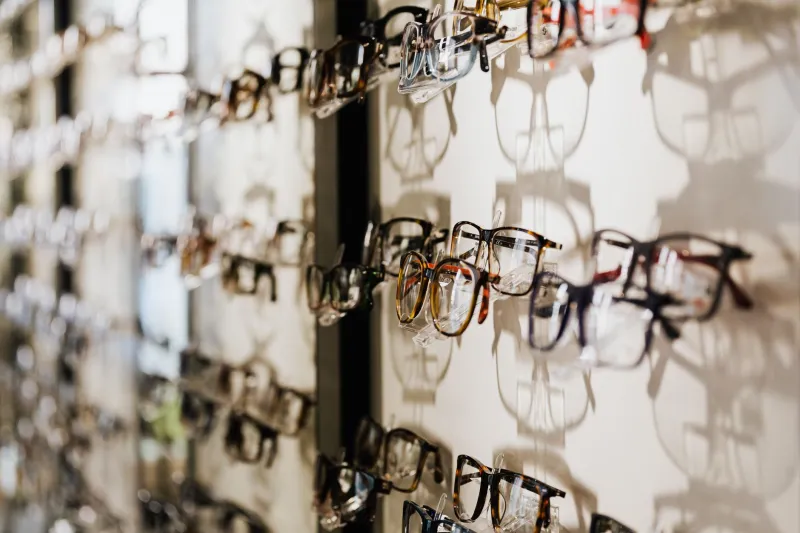
And if you're retiring a beloved pair? Consider keeping them as a display piece rather than tossing them in a junk drawer or landfill. A small tabletop stand or a spot in a curated eyewear display lets you honor the history without cluttering your daily rotation. It's a small gesture, but it beats a guilt-ridden goodbye.
Your collection tells a story. Make sure every pair in it — whether it's getting new lenses or a graceful retirement — gets the ending it deserves.