More Frames, Less Style? The Surprising Truth About Eyewear Overcollecting
There's a particular kind of excitement that hits when you spot a new frame style you haven't tried before. Maybe it's a tortoiseshell cat-eye at a boutique in SoHo, or a sleek titanium pair you stumbled across during a late-night scroll. One minute you're just browsing, and the next you're justifying the purchase with something like, "I don't have anything quite like these."
Sound familiar? You're not alone. But here's the thing — more frames doesn't automatically mean better style. In fact, for a lot of eyewear enthusiasts, overcollecting is quietly doing the opposite of what they hoped.
The Illusion of Options
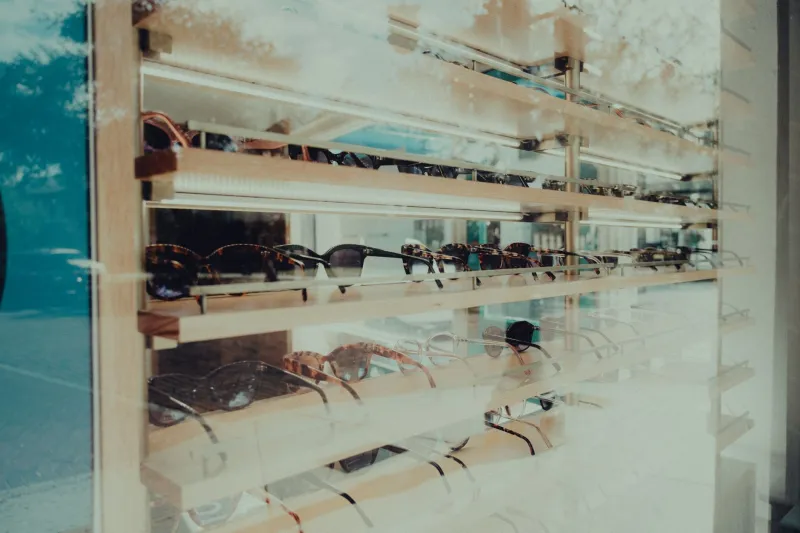
There's a well-documented psychological phenomenon called decision fatigue, and your eyewear collection isn't immune to it. When you've got twelve pairs of glasses stacked in a drawer or lined up on a shelf, choosing which ones to wear in the morning becomes a surprisingly exhausting micro-decision. And when decisions feel hard, most people default to the same comfortable choice — usually the pair they wore yesterday.
So what happens to the other eleven? They sit there. Looking great, technically. But doing absolutely nothing for your actual day-to-day style.
Personal stylist Dana Moreau, who works with clients in Chicago and remotely across the US, puts it plainly: "I see this all the time. Someone comes to me with a closet full of clothes and nothing to wear — the same thing happens with frames. When you have too many options, you stop making real choices. You just reach for whatever's familiar."
The irony is brutal. You bought all those frames to express yourself more fully, and instead you've created a situation where you express yourself less.
When Quantity Dilutes Identity
Your glasses are one of the most prominent things on your face. Unlike a scarf or a belt, they're front and center in every conversation, every photo, every Zoom call. That means the frames you choose have real power to communicate something about who you are.
But that power gets diluted when you're pulling from a rotating cast of twenty-plus characters. A tight, well-chosen collection — even just three to five pairs — tells a coherent story. One for work, one for weekends, one for evenings out, maybe a pair of prescription sunglasses for warmer months. Each one earns its place. Each one reinforces a version of you.
When your collection sprawls past what you can realistically rotate, the story gets muddy. You start grabbing frames that don't quite fit the moment, or defaulting to whatever's closest. The intentionality disappears, and with it, a lot of the style impact.
Collector and self-described "frame fanatic" Marcus T. from Austin, Texas, learned this the hard way after accumulating close to thirty pairs over five years. "I thought I was building this incredible wardrobe," he says. "But when I actually looked at my photos from that period, I was wearing the same two pairs in almost everything. The rest were just... furniture."
The Financial Reality Nobody Talks About
Let's be honest about the money side of this, too. Quality frames — the kind with acetate that's actually worth touching, hinges that don't wobble after six months, lenses that are ground properly — aren't cheap. A solid pair from a reputable independent brand can run anywhere from $150 to $500 or more, and that's before you factor in prescription lenses.
When you're buying frequently and impulsively, the math starts to hurt. That money spent on five mediocre pairs that you barely wear? It could have gone toward one or two exceptional frames that you'd reach for constantly and maintain with real care.
Good eyewear, like good shoes or a quality leather bag, rewards the people who invest thoughtfully and take care of what they own. A great pair of frames kept clean, stored properly, and worn regularly will look better longer — and feel more like you — than a pile of trend-chasing purchases that never quite clicked.
What Intentional Collecting Actually Looks Like
None of this means you should only own one pair of glasses and call it minimalism. That's not the point. Variety is genuinely useful — different frames for different contexts make practical and stylistic sense. The goal is intentionality, not austerity.
Here's a useful gut-check before any eyewear purchase:
Does this fill a real gap? Not a perceived one — an actual functional or aesthetic gap in what you already own. A second pair of oversized black frames probably isn't the gap you think it is.
Would I wear this at least once a week? If you can't honestly answer yes, it's likely going to end up in the back of a drawer.
Does it work with my actual wardrobe? Not a fantasy wardrobe, not the clothes you own but never wear — the stuff you put on most days.
Am I buying this because I love it, or because it's on sale? A discount is never a reason to add to a collection. It's just a reason to spend money.
Getting Your Collection Back Under Control
If you've already crossed into overcollecting territory, the good news is that a little honest editing goes a long way. Pull everything out, try each pair on, and ask yourself when you last reached for them and why. If you can't remember, that's your answer.
The pairs worth keeping are the ones that fit well, suit your face, and actually match the life you're living — not the life you imagined when you bought them.
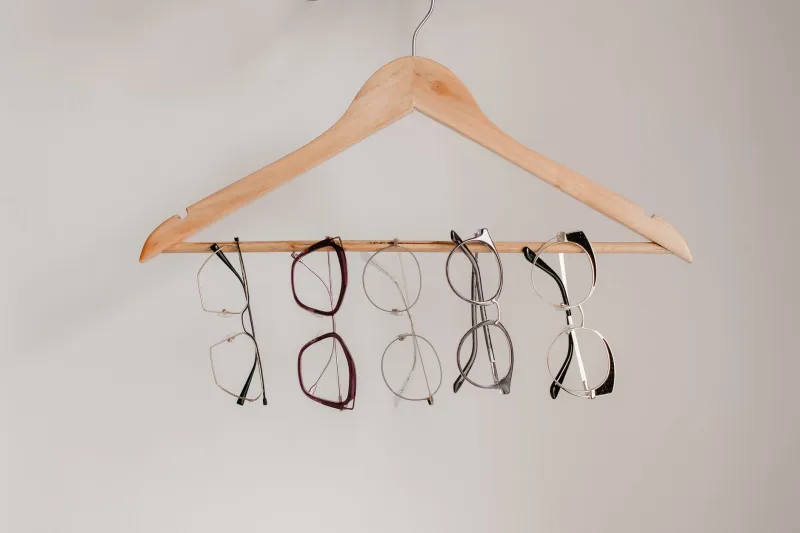
Once you've narrowed things down, think about how you're storing and displaying what remains. A small, well-organized display — whether that's a sleek countertop holder, a wall-mounted rack, or a lined drawer organizer — makes it easier to see what you have, make intentional choices each morning, and actually enjoy your collection instead of feeling vaguely overwhelmed by it.
Organization isn't just about tidiness. It's about making your collection work for you instead of the other way around.
The Takeaway
Better style rarely comes from buying more. It comes from knowing yourself well enough to choose less — and choosing well. A smaller, smarter eyewear collection that you actually wear and genuinely love will do more for your look than a stuffed shelf of frames that never quite made it into the rotation.
So next time that new pair catches your eye, pause for a second. Ask whether it's really filling a need, or whether it's just feeding the habit. Your style — and your wallet — will thank you.